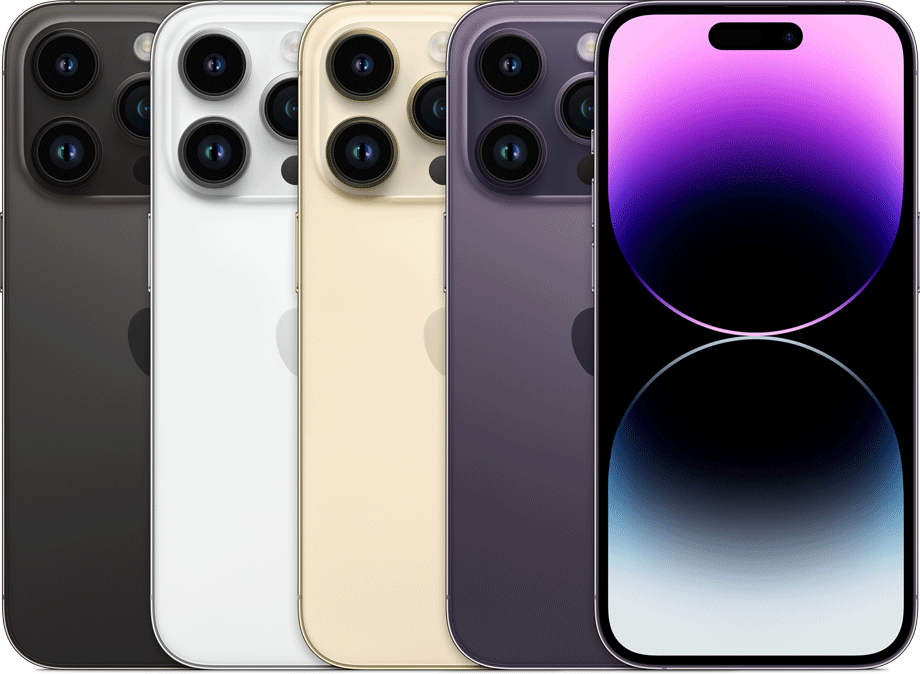
The Uncomfortable Truth About the iPhone 14 Pro Max: When Design Met Discomfort
For many iPhone users, the launch of each new model brings excitement, innovation, and a glimpse into the future of mobile technology. However, for a significant segment of the community, the iPhone 14 Pro Max presented a more... physical challenge. While lauded for its powerful A16 Bionic chip, impressive camera system, and Dynamic Island, one crucial aspect consistently sparked conversation and even complaints: its substantial Iphone 14 Pro Max weight and accompanying squared-off design.
In an era where smartphones have become extensions of our hands, their ergonomics are paramount. The iPhone 14 Pro Max, weighing in at a formidable 240 grams, combined with a sharp-edged aesthetic, often translated into a tangible sense of discomfort, hand fatigue, and even pain for prolonged use. This wasn't merely a minor inconvenience; for some, it fundamentally impacted their daily interaction with a device they relied on heavily. The subsequent release of lighter, more ergonomically refined models, particularly the iPhone 15 Pro Max, served as a stark, albeit tacit, acknowledgment from Apple itself that the weight and design strategy of its predecessors had indeed reached a tipping point for user comfort.
The Burden of Stainless Steel: Why the iPhone 14 Pro Max Felt So Heavy
At the heart of the iPhone 14 Pro Max's heft lay a material choice that Apple had championed for its Pro line since the iPhone X: stainless steel. Undoubtedly, stainless steel offers a premium feel and a polished aesthetic that many find appealing. It exudes a sense of robustness and class, and its shine can be undeniably gorgeous, particularly on devices like the Apple Watch. However, for a device as large and frequently handled as a Pro Max iPhone, the drawbacks of this material began to outweigh its benefits for many users.
Beyond its considerable density, which directly contributed to the Iphone 14 Pro Max weight of 240 grams (compared to the iPhone 14 Pro's 206 grams), stainless steel had other practical downsides. It's notoriously prone to scratching, a frustrating reality for owners of a high-end device. Fingerprints cling to its surface, demanding constant wiping for a pristine look. Moreover, while robust, it can dent upon impact, leaving an unsightly mark. These issues, combined with the sheer mass it added, fueled a growing chorus of users wishing for a return to lighter, more resilient materials like aerospace-grade aluminum that had graced earlier iPhone models. The aspiration for a lighter device wasn't just about portability; it was about the fundamental user experience, preventing the aching joints and strained tendons that came with prolonged engagement.
The Ergonomics Dilemma: Sharp Edges and Hand Fatigue
The substantial Iphone 14 Pro Max weight was only half of the ergonomic challenge. The other, equally critical factor, was its design language: the flat sides and squared-off edges that Apple introduced with the iPhone 12 series and carried through to the iPhone 14 generation. While aesthetically modern and echoing classic iPhone designs, this sharp-edged profile, when combined with the device's significant mass, created a perfect storm for hand discomfort.
Holding a 240-gram slab with sharp corners for extended periods inevitably led to pressure points developing in the palm and fingers. Users frequently reported sensations ranging from mild discomfort to genuine pain and cramping, especially in the central part of the hand. This wasn't just an issue for those with smaller hands; even individuals accustomed to larger phones found the combination of weight and sharpness particularly egregious. For many, the idea of comfortably using the larger Pro Max was simply out of the question, forcing them to opt for the slightly smaller, though still heavy, 6.1-inch Pro models.
This ergonomic flaw became even more apparent when compared to competitors. Take, for instance, the Samsung Galaxy S23 Ultra. Despite having a comparable overall size and even a similar weight to the iPhone 14 Pro Max, many users reported a significantly more comfortable experience with the Samsung device. The key difference? Its gracefully rounded edges. This design choice effectively distributed the phone's weight more evenly across the palm, preventing the localized pressure points that made the iPhone 14 Pro Max so arduous to hold. It highlighted a critical insight: it's not just the raw weight, but how that weight is presented and distributed through the device's form factor, that truly dictates user comfort and mitigates hand fatigue.
A Shift in Philosophy: How Newer iPhones Addressed the Weight Issue
The widespread feedback, whether direct or inferred from user preferences, did not go unnoticed by Apple. The "Wonderlust" event in 2023, which unveiled the iPhone 15 series, marked a pivotal shift in Apple's design philosophy, with a clear emphasis on user comfort and lighter materials. The standard iPhone 15, for instance, was explicitly marketed with "a new contoured edge on the aerospace-grade aluminum enclosure feels even nicer in users’ hands," a direct acknowledgment of the importance of ergonomics.
The most significant change, however, came with the iPhone 15 Pro and iPhone 15 Pro Max. Apple announced a revolutionary switch from stainless steel to a new grade 5 titanium chassis for these premium models. Titanium, known for its exceptional strength-to-weight ratio, allowed Apple to create "Apple's lightest Pro lineup ever" at the time. The difference in weight was striking and immediately palpable:
- iPhone 14 Pro: 206 grams
- Iphone 14 Pro Max: 240 grams
- iPhone 15 Pro: 187 grams (a reduction of 19g from 14 Pro)
- iPhone 15 Pro Max: 221 grams (a reduction of 19g from 14 Pro Max)
This substantial reduction in weight, coupled with subtly contoured edges on the titanium frame, transformed the in-hand feel. Users finally experienced a Pro Max model that felt manageable and less likely to induce hand cramps. It was a clear response to years of user feedback and a testament to Apple's evolving understanding of smartphone ergonomics.
Looking ahead, while the iPhone 16 Pro and Pro Max are anticipated to be slightly heavier than their 15 Pro counterparts due to new features like an additional Camera Control button and potential screen size increases (iPhone 16 Pro at 199 grams, iPhone 16 Pro Max at 227 grams), they still remain notably lighter than the iPhone 14 Pro Max, maintaining a focus on a more comfortable user experience than previous generations.
Practical Strategies for Managing iPhone 14 Pro Max Discomfort
While newer iPhone models have addressed the weight and design concerns, many users still own and love their iPhone 14 Pro Max for its powerful performance and features. If you find yourself struggling with the device's heft and sharp edges, there are several practical strategies you can employ to mitigate discomfort and improve your daily experience:
- Invest in an Ergonomic Case: Many third-party cases are designed with rounded edges and soft-touch materials that can significantly improve grip and distribute pressure more evenly across your hand, effectively counteracting the phone's sharp corners.
- Utilize Grip Accessories: PopSockets, finger loops, or other adhesive grips can provide a secure anchor point for your fingers, allowing you to hold the phone with less strain and preventing it from slipping. This can be especially helpful when trying to reach the top corners of the large screen.
- Embrace Two-Handed Use: For tasks requiring prolonged interaction, consciously switch to holding your iPhone 14 Pro Max with both hands. This distributes the Iphone 14 Pro Max weight more effectively and reduces the strain on a single hand.
- Take Regular Breaks: If you're a heavy user, schedule short breaks to rest your hands and stretch your fingers. Simple hand exercises can help prevent cumulative strain injuries.
- Consider MagSafe Stands and Mounts: When watching videos, video calling, or even browsing, utilize MagSafe-compatible stands or mounts to prop up your phone. This completely removes the need to hold the device, offering a welcome reprieve for your hands.
- Adjust Your Grip: Experiment with different ways of holding your phone. Sometimes a slight change in angle or finger placement can make a big difference in comfort.
While these solutions won't fundamentally change the core Iphone 14 Pro Max weight, they can significantly enhance your comfort and enjoyment of the device. For a deeper dive into the specifics of the iPhone 14 Pro Max Weight: Unpacking the 240 Gram Debate, and how it compares to subsequent models, explore iPhone 14 Pro Max Weight vs. Newer Models: Why it Changed.
Conclusion: A Heavier Past, A Lighter Future
The iPhone 14 Pro Max stands as a testament to a particular design era – one where the allure of premium materials like stainless steel, combined with a modern, flat-edged aesthetic, sometimes overshadowed long-term ergonomic comfort. Its 240-gram weight, while a sign of its robust build, undeniably posed challenges for many users, leading to hand fatigue and a yearning for a lighter experience. Apple's subsequent pivot to titanium and refined contoured edges in the iPhone 15 Pro Max and beyond serves as a powerful acknowledgment that user comfort is not just a secondary feature, but a critical component of the overall smartphone experience. While the Iphone 14 Pro Max weight might have been a source of discomfort for some, its legacy has undoubtedly paved the way for a future of Pro iPhones that are not only powerful and beautiful but also a genuine pleasure to hold and use.